


Online Poker Philippines – Mobile Tables, Tournaments and Player Guides
This Online Poker hub is built for players in the Philippines who want clean rules, quick navigation, and a practical path from learning the game to choosing a table format that fits their schedule.
Trust statement: table rules, payment options, and promo terms should be checked in the live lobby or cashier before you play. That keeps the experience clear, legit, and easier to track on mobile.

What Is Online Poker
Online poker is a digital card room where you compete against other players in real time rather than against a house dealer in the usual casino sense. You join a table, receive hole cards, act through betting rounds, and try to make the best decision with incomplete information. That mix of cards, timing, and player behavior is what gives poker its shape.
The game is different from slots and other house-banked products because the result is not decided by a fixed reel or a single predetermined mechanic. In poker, position, bet sizing, hand selection, and observation all matter. Short-term outcomes still swing, because cards can turn in ways nobody controls. A good decision can lose a hand. A weak decision can sometimes win one. That is part of the format, and it is why discipline matters.
For many Filipino players, the attraction is simple: you can open the lobby, choose a format, and play without a heavy setup. Pwede on mobile, easy to read, and flexible enough for a lunch break, a commute, or a longer night session. Online poker rooms also organize tables and tournaments by stakes, speed, and structure, so the same game can feel very different depending on how much time you have and how much variance you are willing to handle.
Players who switch between live poker, live casino tables, slots, fishing games, and sports markets often want one central page to keep things organized. This hub is meant to do that. It explains the formats, shows how the hands work, and gives you a cleaner way to compare options without forcing a rush decision.
Poker Basics
- Hole Cards: Private cards dealt to each player at the start of the hand.
- Community Cards: Shared cards that become available on the board during later rounds.
- Position: Your place in the action order, which changes how much information you have before acting.
- Pot: The total chips or money currently in the hand.
- Betting Rounds: Pre-flop, flop, turn, and river in common formats like Texas Hold'em.
- Showdown: The moment hands are compared after the final betting round.
Quick reading note
Hand strength is only one layer. A player also reads table flow, stack sizes, and how much pressure the current board creates. That is why decision-making stays central in poker strategy.
Poker Variants Grid
Different poker formats suit different habits. Some players want faster entries and shorter sessions. Others prefer deeper strategy and bigger tournaments that stretch into the night. The grid below gives a practical view of the main formats you will see in a live poker lobby.
Texas Hold'em
Basic format: Two hole cards plus five community cards. The pace is familiar and easy to find in most poker rooms.
Structure: 2 hole cards
Pace: Moderate
Depth: Medium to high
Session style: Flexible cash play or tournaments
Mobile suitability: Strong
Player fit: Suitable for players who want a clear starting point.
Omaha
Basic format: Usually four hole cards with community-card combinations that demand tighter hand reading.
Structure: 4 hole cards
Pace: Moderate
Depth: High
Session style: Value-driven play and more board analysis
Mobile suitability: Good
Player fit: Often chosen by players who enjoy more complex hand construction.
Seven Card Stud
Basic format: No shared board in the Hold'em sense. Cards are revealed over multiple streets and information builds slowly.
Structure: Seven-card progression
Pace: Slower
Depth: High
Session style: Study-heavy tables and patient play
Mobile suitability: Fair
Player fit: May appeal to players who prefer memory and observation.
Sit & Go
Basic format: A smaller tournament that starts when the seats are filled or the lobby opens a scheduled structure.
Structure: Tournament with fixed start conditions
Pace: Often quicker
Depth: Medium
Session style: Short and focused
Mobile suitability: Very good
Player fit: Suitable for players who want defined time blocks.
MTT
Basic format: Multi-table tournament play where blind levels rise and the field changes as players are eliminated.
Structure: Multiple tables
Pace: Variable
Depth: High
Session style: Longer event-based play
Mobile suitability: Good with steady connection
Player fit: May appeal to players who enjoy long-form tournament structure.
Cash Games
Basic format: Chips represent active table balance and you can leave when the table rules allow it.
Structure: Blinds stay fixed for the selected table
Pace: Adjustable
Depth: Medium to high
Session style: Open-ended
Mobile suitability: Strong
Player fit: Suitable for players who like control over session length.
Short Deck Poker
Basic format: A trimmed deck creates different hand values and faster action compared with standard Hold'em.
Structure: Reduced deck
Pace: Fast
Depth: High
Session style: Quick bursts and sharper board dynamics
Mobile suitability: Good
Player fit: May appeal to players who enjoy faster hand swings.
Real Money Poker
Basic format: Same table logic, but stakes and bankroll decisions matter more because the chips have direct value inside the selected lobby.
Structure: Depends on the table or event
Pace: Depends on the lobby
Depth: Depends on format
Session style: Best with clear budget rules
Mobile suitability: Strong when the device and connection stay stable.

Texas Hold'em Overview
Texas Hold'em remains the most familiar entry point for many online poker players. Each player gets two hole cards, and five community cards are revealed across the flop, turn, and river. The goal is simple in wording and tricky in practice: build the strongest five-card hand from the cards available under the table rules.
The early round is the pre-flop stage, when players act with only their private cards and the table position they were dealt into. The flop adds three community cards and often changes the texture of the hand. The turn and river add one card each. That unfolding board is why Texas Hold'em rewards observation. A player who watches stack size, betting patterns, and position can make better decisions than someone who only glances at the hole cards.
Position matters because it changes how much information you have before acting. Early position gives you less data. Middle position gives you a little more. Late position and the dealer button usually allow a broader view of the table before you choose your action. Blinds act first in many rounds and can face pressure without having the advantage of information. Still, position does not guarantee profit. It only changes the quality of the decision tree.
Editor Note: Position affects how much information a player has before acting, but it does not guarantee a winning hand.
Common betting actions
Check, bet, call, raise, and fold are the core actions. They sound simple, yet each one changes the size of the pot and the story the table thinks you are telling.
What changes with each street
- Pre-flop: Opening range and position matter most.
- Flop: Board texture starts shaping value hands and draws.
- Turn: Pot control and pressure increase.
- River: Final value decisions and bluff-catching become more precise.
Why Hold'em stays popular
Players may recognize it from major poker communities, including formats seen at WSOP and WPT events. PokerStars and GGPoker are also names players often associate with online poker ecosystems, but table availability depends on the current lobby. Check the live poker section for current tables and formats.
Tournament Poker Guide
A poker tournament is structured around blind levels, a starting stack, and elimination. Every entrant begins with the same tournament chips, and the field narrows as play continues. A Sit & Go usually starts with a smaller group and a simpler schedule. An MTT, or multi-table tournament, can involve many tables and a longer run to the final table.
Tournament terms vary by event and current poker lobby. Before you register, check the entry cost, starting chips, blind duration, re-entry rules, late registration window, payout structure, and tournament schedule. The same label can hide different structures from room to room. That is why the lobby details matter more than the headline.
Filipino players often look for weekend poker sessions, evening tournaments, and payday promotions because these schedules fit after-work time blocks. Night poker players also prefer events that let them play without rushing. A tournament can be a good fit for that pattern, but only if the time commitment is realistic.
Keep a clear eye on the registration period. Re-entry can change how aggressive the early levels feel. Late registration can alter average stack sizes. Payout structures also matter because a top-heavy prize distribution changes risk, while flatter payouts can reward staying power. None of those features are guaranteed or fixed across all lobbies, so the current event page is the one to check.
Tournament terms to review
- Blind levels: Higher blinds change pressure and stack depth.
- Starting stack: The chip amount you receive at the start of the event.
- Registration period: The window in which you can join.
- Re-entry: Whether you can buy in again after elimination.
- Late registration: The time allowed after the event begins.
- Payout structure: How prizes are distributed across finishing spots.
- Final table: The last table before the event is decided.
Player note
Short Sit & Go formats may suit players looking for more predictable session lengths, while MTT events often require a longer time commitment and a steadier mindset. That difference is important for mobile users who may be balancing data use and battery life.
Major event reference
Players may compare tournament structures with formats seen in WSOP or WPT coverage. The structure can feel familiar, but the current lobby terms still control the actual event rules.
Cash Game Guide
Cash games work differently from tournaments. The blinds usually remain fixed for the selected table, players can join or leave according to table rules, and chips represent the active table balance rather than a tournament stack chasing a prize ladder. That makes the rhythm more flexible, but it does not make the game easier or safer by default.
Buy-in range matters. A deeper stack gives more post-flop room, while a shorter stack often changes the value of marginal hands. If you leave a table, you take your remaining balance with you according to the room rules. If you rebuy, you are adding to your current stack within the allowed limits. Budget control is still important, because open-ended sessions can go longer than planned.
For Filipino players who like to make smaller, deliberate sessions between errands or after dinner, cash games can be a practical format. Still, the right approach is to set a table limit before you sit down. Your entertainment budget should stay separate from household money. That simple rule keeps the session cleaner and reduces pressure when the table swings.
Cash game basics
- Table stakes: The rules that determine what can be brought to the table.
- Blinds: Usually fixed for that table selection.
- Buy-in range: The amount needed to enter the table.
- Leaving a table: Possible when the room rules allow it.
- Rebuying: Adding more chips to your active stack if permitted.
- Stack size: Your current table balance and how much play it supports.
Budget guidance
Use a separate bankroll, set a maximum table limit, and decide in advance how many sessions fit your month. A cash game can be flexible, but flexibility works best when the money side is controlled first.
Cash vs tournament
Cash games allow more session control. Tournaments add structure and escalation. Neither format is automatically better. The choice depends on how long you want to play and how you manage risk.
Poker Hand Rankings
The hand ladder below follows the common ranking order used in many poker formats. Rules can vary slightly by variant, but the basic ranking logic stays familiar to most players. Check the current game rules if the lobby uses a different qualifying condition.
Royal Flush
The highest straight flush, usually from ten to ace in the same suit.
Straight Flush
Five consecutive cards of the same suit.
Four of a Kind
Four cards of the same rank.
Full House
Three of a kind plus a separate pair.
Flush
Five cards of the same suit that are not consecutive.
Straight
Five consecutive cards of mixed suits.
Three of a Kind
Three cards of the same rank.
Two Pair
Two different pairs in the same hand.
One Pair
Two cards of the same rank.
High Card
If no made hand appears, the highest card breaks the tie.
Strategy Fundamentals
Starting Hand Selection
What it means: Choosing which hands to enter with.
Why it matters: It shapes your average spot before the flop.
Common mistake: Playing too many weak hands because the table is moving fast.
Practical application: Tighten your range in early position and open up a bit later when the table gives you more information.
Position Play
What it means: Acting earlier or later in the betting order.
Why it matters: Later action gives you more information.
Common mistake: Ignoring position and treating every hand the same.
Practical application: Use late position to control pot size and make better value decisions.
Pot Odds
What it means: A basic way to compare the cost of continuing with the potential reward in the pot.
Why it matters: It helps you decide whether a call is worth the price based on the numbers in front of you.
Common mistake: Calling because a draw “feels close” without checking the actual cost.
Practical application: Compare your call size to the total pot and use that as one input, not the only input.
Bet Sizing
What it means: The amount you choose to bet or raise.
Why it matters: It shapes pot size and the pressure your line creates.
Common mistake: Using the same size in every spot.
Practical application: Match your size to the board, stack depth, and whether you want value or a bluff.
Bluffing
What it means: Making a bet or raise with a weaker hand to represent a stronger range.
Why it matters: It stops your play from becoming too predictable.
Common mistake: Bluffing too often without a clear story.
Practical application: Bluff when the board and your line make sense, not because you feel pressure to do it.
Value Betting
What it means: Betting when you think worse hands can call.
Why it matters: It is a core way strong hands make money.
Common mistake: Betting too small and missing value.
Practical application: Size based on what weaker hands can continue with.
Table Observation
What it means: Watching timing, sizing, and repeated habits.
Why it matters: It helps you spot player patterns and table dynamics.
Common mistake: Only watching your own cards.
Practical application: Note who plays wide, who folds to pressure, and who acts quickly without much thought.
Bankroll Management
What it means: Keeping poker money separate from essential household expenses.
Why it matters: It reduces stress and keeps sessions controlled.
Common mistake: Moving up too quickly or chasing a loss with unrelated money.
Practical application: Set a session cap, a stake ceiling, and a break rule before you start.
Tilt Awareness
What it means: Recognizing when emotion starts shaping decisions.
Why it matters: Tilt can turn a normal session into a messy one.
Common mistake: Ignoring frustration after a bad beat.
Practical application: Pause after a swing, step away, and reset before the next table.
Fast Decision Awareness
What it means: Noticing when you are acting too fast to think clearly.
Why it matters: Mobile play can make snap choices more common.
Common mistake: Tapping actions automatically during a streak of hands.
Practical application: Take a short breath before important turns and river spots.
Poker Variants Comparison Table
| Variant | Skill Level | Game Pace | Strategy Depth | Bankroll Pressure | Player Traffic | Session Length | Mobile Fit | Recommended Player |
|---|---|---|---|---|---|---|---|---|
| Highlight Column Texas Hold'em |
Accessible start with room to grow | Moderate | Medium to high | Flexible by table and stake | Depends on lobby | Flexible | Strong | Popular Starting Point |
| Omaha | Intermediate to advanced | Moderate | Deep | Can feel swingy | Varies by schedule | Flexible | Good | Players who like more board analysis |
| Sit & Go | Beginner friendly to intermediate | Fast | Medium | Controlled by entry fee | Usually event-based | Short to medium | Very good | Fast Session |
| MTT | Intermediate to advanced | Variable | Deep | Can run higher over long events | Depends on schedule | Long | Good with stable connection | Tournament Focus |
| Cash Game | Any level with discipline | Player-selected | Medium to high | Controlled by buy-in and table size | Check current tables | Flexible | Strong | Flexible Session |
Player traffic can change by time of day, event schedule, and lobby activity. If you want a table now, check the current poker section rather than relying on a static label.

Mobile Poker Guide
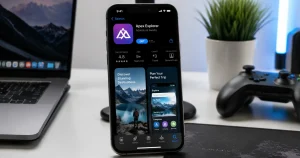
Mobile Poker matters in the Philippines because many sessions happen on a phone first. Android Poker, iOS Poker, and browser-based poker all need to work smoothly on smaller screens. Portrait mode is handy for reading the lobby, while landscape often feels better at the table because cards, buttons, and stack info are easier to scan.
Battery use and connection stability matter more than most players expect. A long MTT can drain power and data. A quick Sit & Go may be easier to manage on a commute or a break, but it still pays to keep the device charged and close unused apps. If the phone is shared, do not save passwords casually. Log out after the session and keep transaction references in case the cashier needs a check.
Filipino players also tend to use mobile wallets often, so the cashier flow should stay simple. GCash and Maya are common local choices, and a stable private connection is safer than switching networks in the middle of a hand when you can avoid it. Browser-based access can work well if you do not want to install extra apps, but always use the official domain and check the live lobby before joining.
Multi-table play on mobile can be limited by screen size. That is normal. The smart move is to keep the session clean: one table if you are learning, two if you can still track action, and a break if the screen feels crowded. Mobile poker should fit the device, not fight it.
Android Poker
Useful for players who prefer a broader device range and quick access from a mobile browser or app environment.
iOS Poker
Good for players who like a clean interface and a stable feel on smaller screens.
Browser-based Poker
Works when you want to avoid extra installs and just open the lobby directly.
Shared-device Security
Use a private connection, avoid saving passwords, and log out after play.
Portrait Navigation
Good for lobby browsing and quick checks, especially during short pauses.
Landscape Table View
Better for active tables because action buttons and board space feel less cramped.
Mobile Data Use
Watch data usage during longer tournament runs, especially if you are away from Wi-Fi.
Connection Stability
A stable signal is more important than flashy graphics when hands are moving quickly.
Bonus and Promotion Guide
Promotions can be useful, but the label alone never tells the full story. A welcome bonus, registration bonus, deposit bonus, reload bonus, poker cashback offer, tournament ticket, freeroll, payday promotion, weekend bonus, or loyalty reward all come with terms that can change the real value of the offer. Check the current promo page before you assume anything from the headline.
What matters most is the detail set: minimum deposit, wagering requirement, eligible poker games, eligible tables, tournament restrictions, maximum conversion, expiry date, claim method, withdrawal restrictions, ticket validity, and the promotion link. If those terms are strict, the bonus may be less useful than a smaller but cleaner offer. Sulit is not always the biggest percentage. A large promotional percentage is not always more sulit if the wagering, table restrictions or withdrawal conditions are difficult to complete.
Usually tied to first-time activity, but the current lobby determines the actual mechanics.
Added when an eligible deposit is made, subject to the current terms.
May appear as a tournament entry or a restricted promo item rather than cash.
Often tied to local play habits, especially evening sessions and payday traffic.
Filipino Poker Player Insights
Player Insight: Short Sit & Go formats may suit players looking for more predictable session lengths, while MTT events often require a longer time commitment.
Market Observation: Weekend and evening tournament schedules may attract more attention from Filipino players who have more uninterrupted time after work or family duties.
Editor Note: Poker includes a skill element, but individual hands and short sessions remain uncertain. Good decisions still need room to breathe.

Many local players check the lobby on a phone first, then decide whether to stay for a longer table.
Late evenings are common for poker because the pace fits players who have finished daily tasks.
Cashier traffic often feels busier around payday windows, so promo pages and table availability deserve a second look.
Many players compare offers carefully, but terms still matter more than headline numbers.
Practical tips from the editor desk
- Use quick sessions when you only have a few minutes between tasks.
- Keep one eye on battery and one eye on the table pace.
- Review session totals after a long night rather than guessing in the moment.
- Pause when your decisions get faster than your thinking. That is usually where mistakes creep in.

Payment Methods
The cashier side should feel simple. Players in the Philippines often look for GCash, Maya, Online Banking, GrabPay, and broader Mobile Wallets, and those options should be checked in the cashier before you rely on them. If the source list includes other methods, keep them visible too.
GCash
Mobile WalletDeposit preparation: Make sure the account name matches your profile where required.
Withdrawal preparation: Keep transaction references and check current limits.
Verification: Additional verification may be requested.
Delay note: Processing time may vary.
Maya
Mobile WalletDeposit preparation: Use the same account name when possible and confirm the cashier route first.
Withdrawal preparation: Review method availability before you cash out.
Verification: Keep the reference number and any requested documents ready.
Delay note: Availability depends on the selected method.
Online Banking
Bank TransferDeposit preparation: Check the cashier for the current route and any matching requirements.
Withdrawal preparation: Confirm limits and any name-matching steps.
Verification: Additional verification may be requested by the room.
Delay note: Processing time may vary by bank.
GrabPay
WalletDeposit preparation: Confirm if the wallet is active in the cashier.
Withdrawal preparation: Check whether withdrawals are available by method.
Verification: Keep your transaction reference safe.
Delay note: Check the cashier for current limits.
Mobile Wallets
GeneralDeposit preparation: Use the wallet the cashier currently supports.
Withdrawal preparation: Match account details and review restrictions before requesting a payout.
Verification: Identity checks can still apply.
Delay note: Processing time may vary and availability can change.

Check the cashier for current limits, supported methods, and any required document steps. Never assume a wallet is available just because it was available last week.
Beginner Step Flow
-
Step 1: Learn Hand Rankings
Start with the ranking order and showdown logic so you can read the board without guessing. Knowing what beats what makes every later lesson easier to use.
-
Step 2: Choose a Poker Variant
Compare Texas Hold'em, Omaha, Sit & Go, MTT, and Cash Game formats before you sit down. The rules and session length are not the same, so the right fit depends on your schedule and comfort level.
-
Step 3: Understand Position Play
Action order changes how much information you receive. Later positions often let you see more of the table before making a decision, which is useful on both desktop and mobile.
-
Step 4: Set Bankroll Rules
Use an entertainment budget and a single-session limit. That keeps the game from mixing with essential household money and makes the session easier to manage.
-
Step 5: Start at Lower Stakes
Lower stakes help you learn interface flow, table pace, and timing, but they do not remove risk. Treat them as practice space, not a shortcut to profit.
-
Step 6: Play Responsibly
Use session limits, loss limits, and cooling-off breaks. If the session starts feeling rushed or emotional, step away and reset before opening another table.
Responsible Gaming
Poker should be treated as paid entertainment, not a source of guaranteed income. That is the baseline. If you are choosing table stakes, choose them with your budget in mind, not your mood. Avoid borrowed money. Avoid chasing losses. Do not increase stakes just because the previous hand went badly.
Session limits and loss limits help keep the night under control. Cooling-off breaks are useful after a big swing or when the table pace starts affecting your decision quality. Tournament play also deserves attention because time commitment can expand faster than you planned. Bonus spending should be reviewed carefully, since promo terms can pull a player into longer play than expected.
Age restriction rules still apply. Keep your account secure, especially on shared devices. Log out after each session, do not store passwords carelessly, and check for unfamiliar activity if you use a phone that other people can access. Responsible play is not a slogan; it is a practical way to keep poker in the entertainment lane.
Budget Setting
Decide the entertainment amount before you open the lobby.
Session Limits
Set a clear stop time or stop hand count.
Loss Limits
Use a number that ends the session when reached.
Cooling-off Breaks
Step away after a tough pot or a rush of quick decisions.
Avoid Borrowed Money
Never use money that belongs to rent, bills, or debt repayments.
Tilt Awareness
Watch for frustration, speed, and overconfidence.
Tournament Time Commitment
Check if you can really stay for the full event window.
Account Security
Use strong access habits and review login details often.
Shared-device Security
Log out and avoid storing card or wallet info on public devices.
Bonus Spending Awareness
Promotions should fit the plan, not replace it.
FAQ
What is online poker?
Online poker is a real-time card game where players compete against other players at tables or in tournaments. On mobile, the lobby, table, and cashier are usually the main places to check before you start.
How does Texas Hold'em work?
Texas Hold'em gives each player two hole cards and uses five community cards across four betting rounds. You build the best five-card hand possible under the table rules.
What is the difference between a cash game and a tournament?
A cash game uses fixed table blinds and lets players enter or leave according to table rules, while a tournament uses blind levels, a starting stack, and elimination. The session feel and time commitment are very different.
What is a Sit & Go?
A Sit & Go is a smaller tournament format that starts under a defined lobby condition, often with a shorter time block than an MTT. It can suit players who want a more compact session on mobile.
What is an MTT?
An MTT is a multi-table tournament that can run longer and move through several blind levels before reaching the final table. Because the schedule can stretch, it is best checked in the current tournament lobby.
How do poker hand rankings work?
Poker hand rankings work by comparing made hands from strongest to weakest, starting with Royal Flush and ending with High Card. The exact board conditions should still be checked because some variants change the qualifying structure.
What does position mean in poker?
Position means where you act in the betting order. Later positions usually give you more information, which can improve your decision quality, but they do not guarantee a winning hand.
What are pot odds?
Pot odds are a basic way to compare the cost of continuing with the potential reward in the pot. They help you think through a call, but they do not guarantee a result on the next card.
Is bluffing required?
No, bluffing is not required in every hand. It is a situational tool that works best when the board, your betting line, and the table story all make sense.
Can I play poker on Android or iPhone?
Yes, many players use Android Poker or iOS Poker setups, and browser-based poker can also work well on mobile. A stable connection and a clear screen layout matter more than the device label alone.
Can I use GCash or Maya?
Yes, GCash and Maya are common payment choices for Filipino players, but availability depends on the cashier and current method list. Check transaction references, limits, and verification requirements before you deposit or withdraw.
How should I manage a poker bankroll?
You should separate poker money from essential household expenses and set a fixed entertainment budget before play. A separate bankroll, a session cap, and a loss limit keep the table from taking over the month.
Are poker bonuses guaranteed cash?
No, poker bonuses are not guaranteed cash. They usually come with rules such as wagering requirements, eligible tables, expiry dates, or withdrawal restrictions, so the current terms matter more than the headline.
Related Categories Navigation
Use the category map below when you want to move beyond poker without losing the thread. Each card points to a core section of the site, and the current poker page is highlighted as the active hub.
Slot
Explore slot categories when you want a different session style and game pace.
Explore online slot categoriesLive Casino
Visit the live dealer area for table games that use a different flow from poker.
Visit the live casino sectionPoker
Current category hub for Online Poker, game formats, strategy notes, and mobile play.
Current poker hubFishing
Browse fishing games if you want a lighter arcade-style section between poker sessions.
Browse fishing gamesSports
Check sports markets when you want to move from poker tables into event-based action.
Check sports marketsPromotion
Review current offers and terms before using any welcome or weekend reward.
View current poker promotionsGuides
Read more player guides for hand rankings, table types, and practical play notes.
Read more player guidesContact
Reach out to the support team if you need help with account or cashier questions.
Contact the support teamOnline Poker Philippines, with a cleaner path to tables and guides
Use the poker hub to compare variants, check the current lobby, and move between game formats without losing track of your budget or session plan. If you want to keep reading after the table, the guides section and promotions page are ready.
Check the live poker section for current tables. Availability can change, and the best table is the one that matches your time, budget, and attention span.